
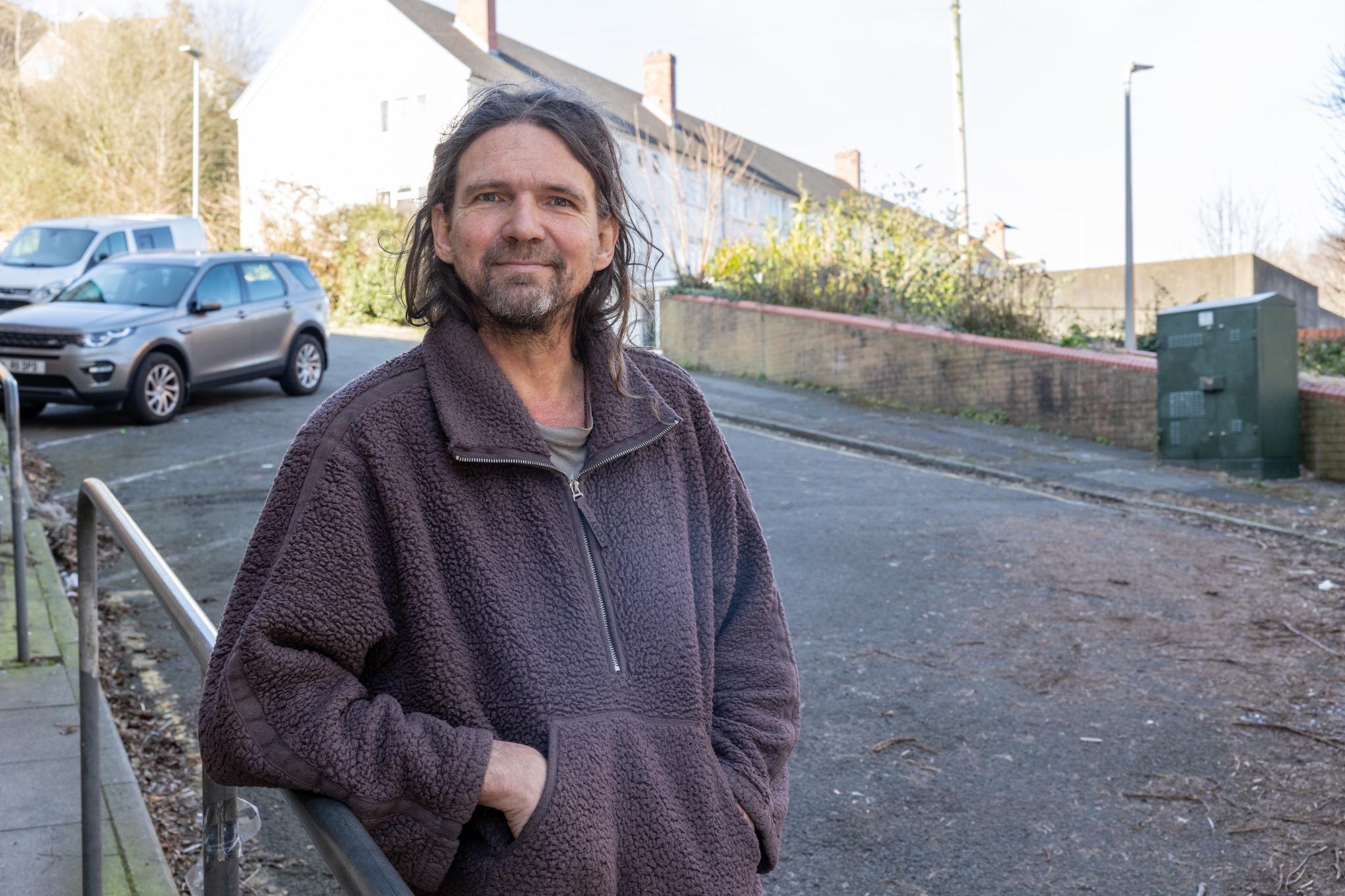
Rough sleeping is only one visible aspect of homelessness. The latest English Housing Survey also
highlights the growing number of people living in hidden homelessness and temporary accommodation.
Photo Credit : Centre for Homelessness Impact / Jeff Hubbard
The latest English Housing Survey 2024 to 2025 shines a light on an aspect of homelessness that often goes unseen.
When most people think about homelessness, they picture someone sleeping on the streets. Yet the reality is far more complex. Thousands of households are living in temporary accommodation, staying with friends or family because they have nowhere else to go, or sharing homes they cannot afford to leave. These hidden forms of homelessness rarely make the headlines, but they have become an increasingly significant challenge for local authorities and support providers.
The new government figures remind us that homelessness is not a single event. It is often a journey through housing insecurity, financial hardship and increasingly complex support needs.
The statistics everyone in housing should see
The new fact sheet highlights several important trends.
Hidden homelessness remains widespread, including adults forced to stay with friends or relatives because they cannot access their own accommodation.
Temporary accommodation continues to play a growing role in supporting households experiencing homelessness.
Housing insecurity extends well beyond statutory homelessness figures and includes many households that never appear in official homelessness counts.
Alongside this, the latest statutory homelessness statistics show the operational pressures facing councils.
- 130,890 households were living in temporary accommodation at the end of March 2025, an 11.5% increase on the previous year.
- 182,540 households were assessed as homeless and owed a relief duty during 2024 to 2025.
- 147,870 households were assessed as threatened with homelessness and owed a prevention duty.
These are not simply numbers. They represent increasing demand for housing, support services, commissioning teams and frontline practitioners who must make decisions quickly while coordinating multiple agencies.
The challenge is becoming more complex
As demand grows, so does the complexity of managing services.
Housing teams are expected to coordinate temporary accommodation, commissioned support, safeguarding, health partners, voluntary organisations and housing providers, while also meeting increasing reporting and compliance requirements.
The organisations achieving the best outcomes are those that have invested in connected information rather than disconnected spreadsheets, emails and siloed databases.
Good technology does not solve homelessness. It gives practitioners better information, improves collaboration and helps organisations focus their time where it matters most, supporting people.
Looking beyond the headline figures
One of the most valuable aspects of this year’s survey is its recognition that homelessness cannot be understood through rough sleeping statistics alone.
Hidden households, insecure accommodation and temporary placements all form part of the wider picture. Understanding these journeys is essential if services are to intervene earlier and deliver better outcomes.
For commissioners, housing leaders and service providers, the message is clear.
The demand is increasing. The complexity is increasing. The need for joined-up services and better data has never been greater.
Read the full statistics
The complete English Housing Survey fact sheet is available on GOV.UK and is well worth reading for anyone involved in homelessness, housing or support services.